Park County
Pole Barns Built for Livingston Wind
Wind is the first thing we plan for on a Livingston pole barn. It pushes on walls and doors every day, works to lift the roof, and moves snow into the same spots each winter. Shops, hay barns and horse barns here are laid out with all of that in mind.
Park County properties run from in-town lots to river ground along the Yellowstone and working ranches up the Shields and into Paradise Valley. A building on a bench above the river faces different ground and different exposure than one on bottom land, and we size and site each one for where it actually stands.
A lot of places here also come with an old barn or shed already on them. Sometimes the right move is a new building, sometimes it is a lean-to on a sound existing one, and sometimes the old structure needs to come down first. We will tell you which we think it is.
Local Conditions
What Changes for Pole Barns in Livingston
Wind loads the whole building
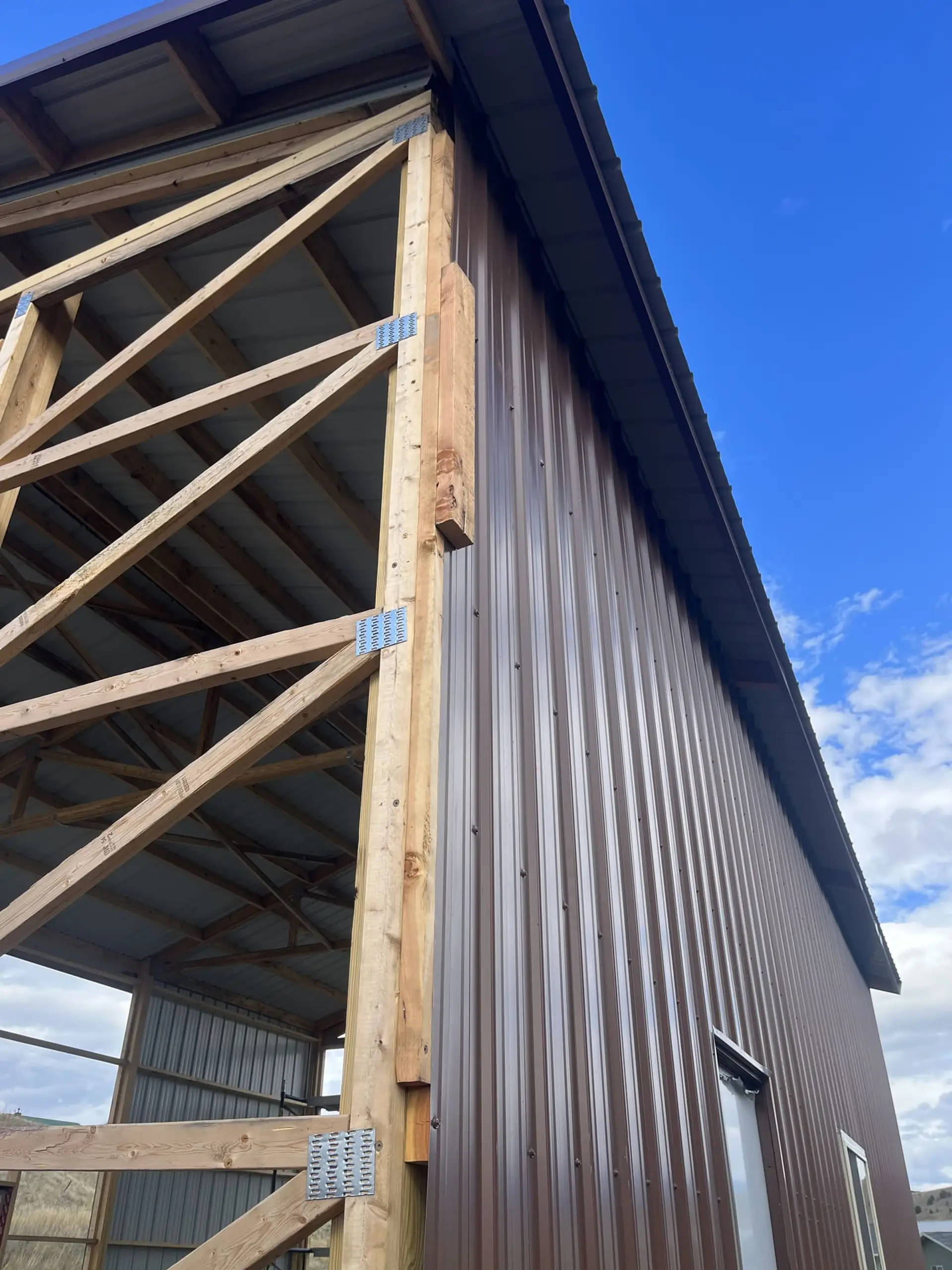
Walls act like sails and big doors catch gusts. Bracing, door hardware and how the frame ties to the posts are planned for steady wind on exposed ground, with the structural requirements worked out per project with the right professionals.
Drifting decides where doors go
Wind piles snow on the downwind side of a building, in the same place every year. Overhead doors and walk-in openings go where the drift is not, so the shop is usable on a winter morning without an hour of shoveling first.
Bottom land or bench ground
Near the Yellowstone, wet soils and a high water table can call for a raised, well-drained pad. Up on the benches the problem is more often rock in the post holes. Both change how the site is prepared.
Old buildings already on the place
Inherited sheds and barns are common around Livingston. We look at whether an existing building can carry a lean-to, needs repair, or should be removed before a new one goes up.
Options That Fit
Pole Barns We Build Around Livingston
Custom Pole Barns
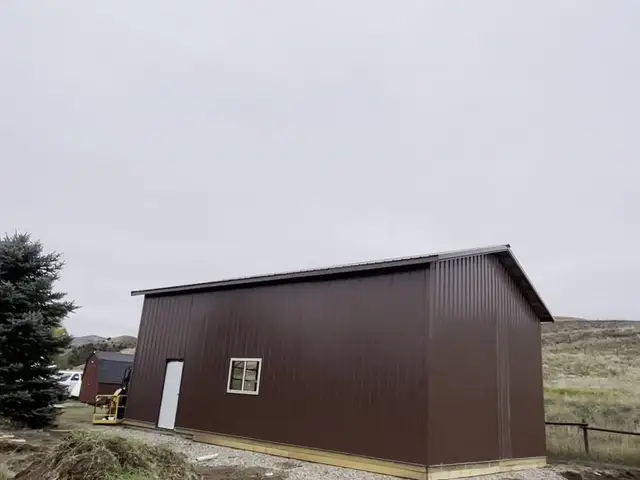
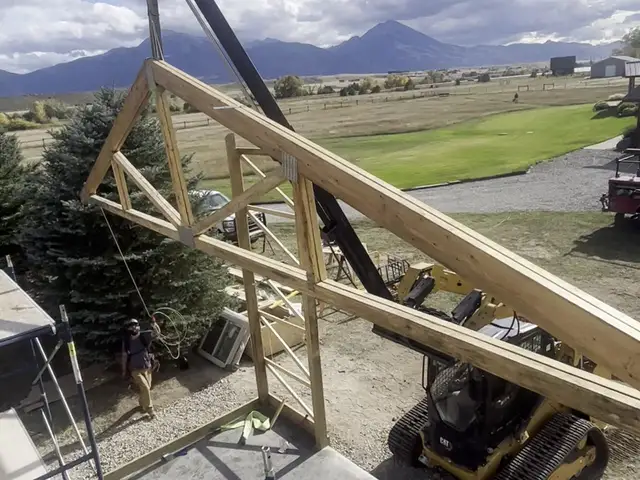
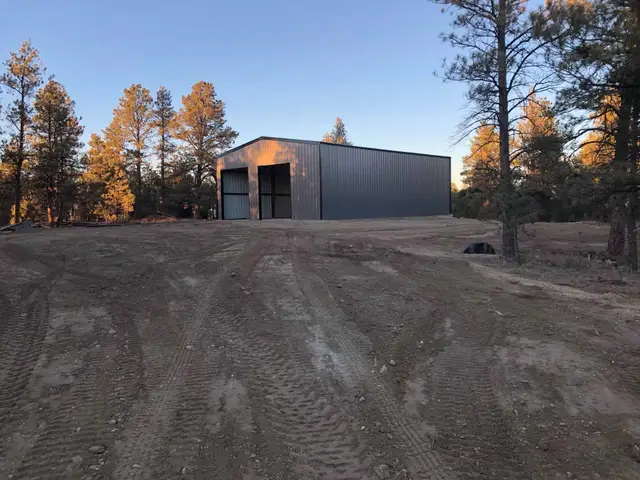
Shops and storage buildings braced and oriented for the wind on your particular site.
Horse Barns
Barns with stall doors and the main entry placed out of the prevailing wind and drift.
Hay Sheds
Three-sided designs that keep wind-driven snow off the stack on exposed ground.
Livestock Shelters
Run-ins and windbreaks with their backs to the wind that comes through this valley.
Lean-To Additions
Covered space added to a sound existing barn instead of building new.
Barn & Structure Demolition
Clearing old outbuildings that are past saving so a new one can go in their place.
See every option on the Barns & structures page.
Livingston Pole Barns Questions
How do you build a pole barn for Livingston wind?
Through orientation, bracing and the details at the doors. The building is placed so the big openings face away from the prevailing wind, the frame is braced for the exposure at your site, and door hardware is chosen to handle gusts. The specific structural requirements are worked out per project with the right professionals.
Which side of the building should the doors go on?
Usually the side sheltered from the prevailing wind, but drifting matters as much as wind direction. We look at where snow piles up around the buildings and fences already on your property, since that shows where it will pile up against the new one.
Can you add onto our old barn instead of building new?
Sometimes. A lean-to is often an economical way to add covered space, but only if the existing wall and posts are sound enough to carry it. We check that first and will tell you if a new building or removal makes more sense.
Do you build up Paradise Valley and the Shields too?
Yes. Livingston sits between both, and we build pole barns, hay sheds and shelters up those valleys as well as around town. Wind and ground change as you move up either one, so each site gets its own look.
Keep Exploring
More Around Livingston
Pole Barns in Other Towns
Free Estimates & Measurements · Bozeman, MT
Let's walk your Livingston property
Site visits and estimates are free. We'll tell you what the ground and the job actually call for, including when that is less than you expected.