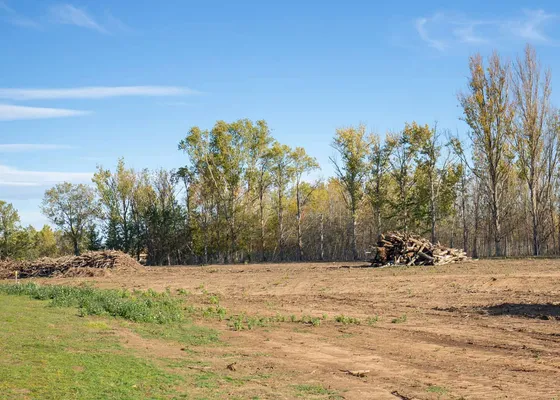
How to Improve an Older Montana Ranch: Where to Start
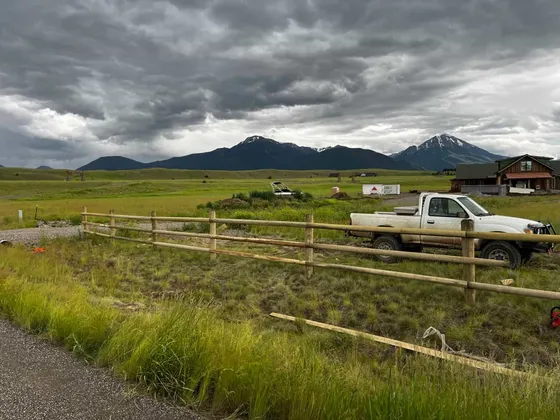
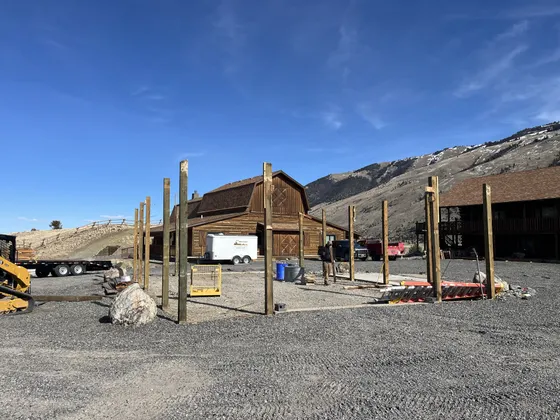
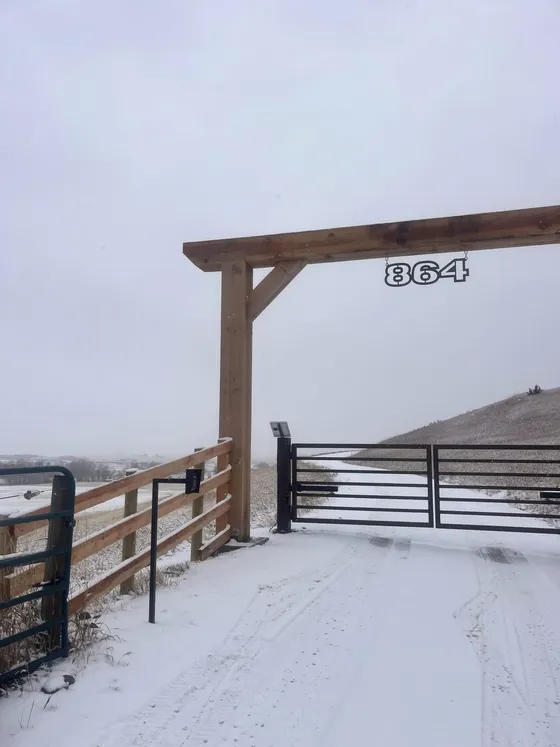
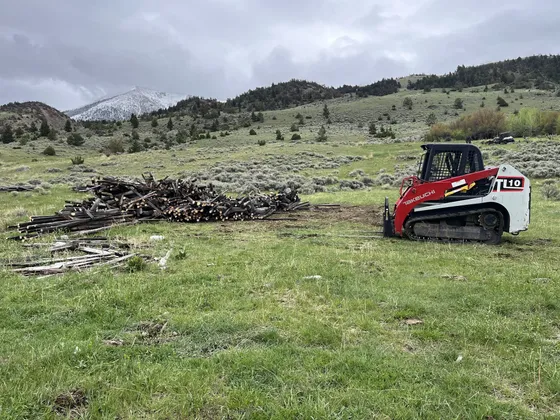
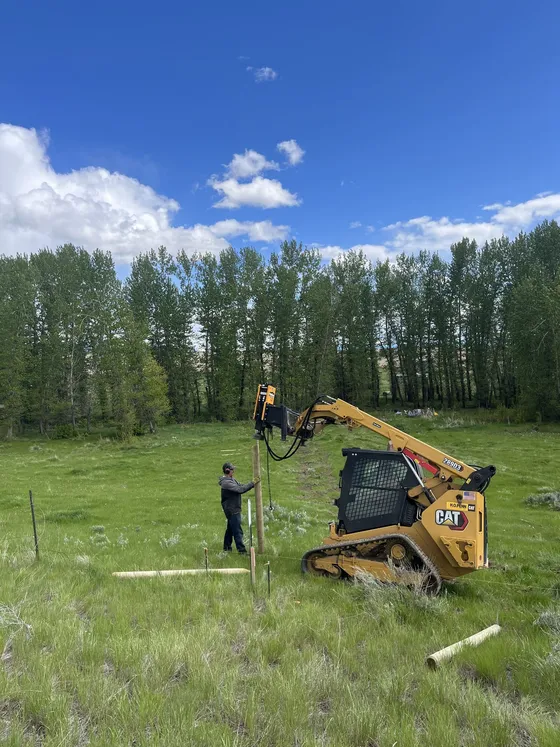
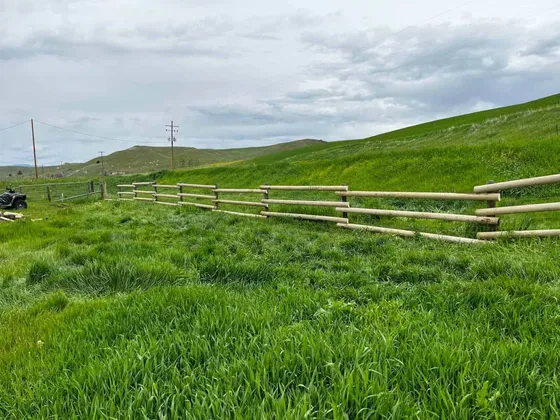
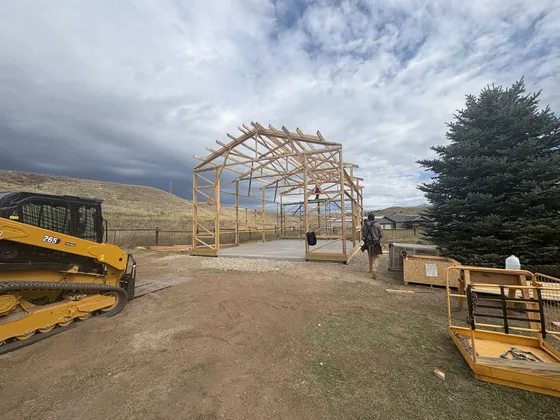
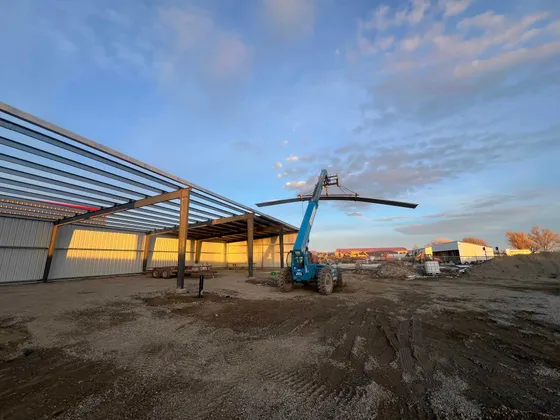
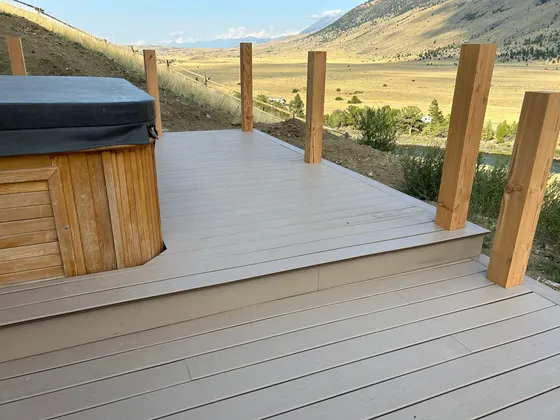
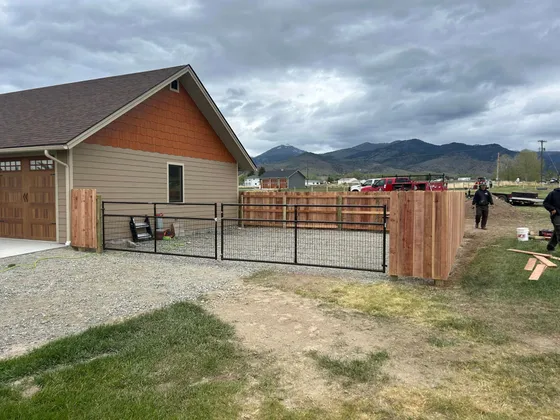
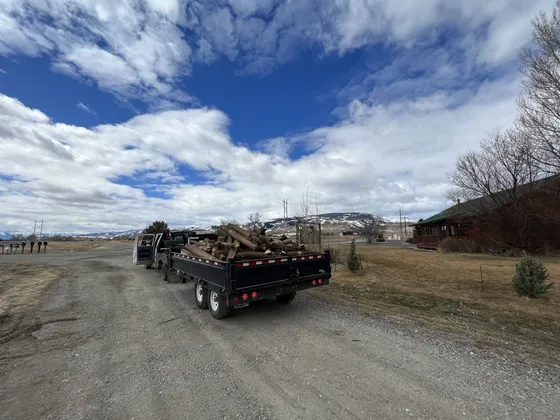
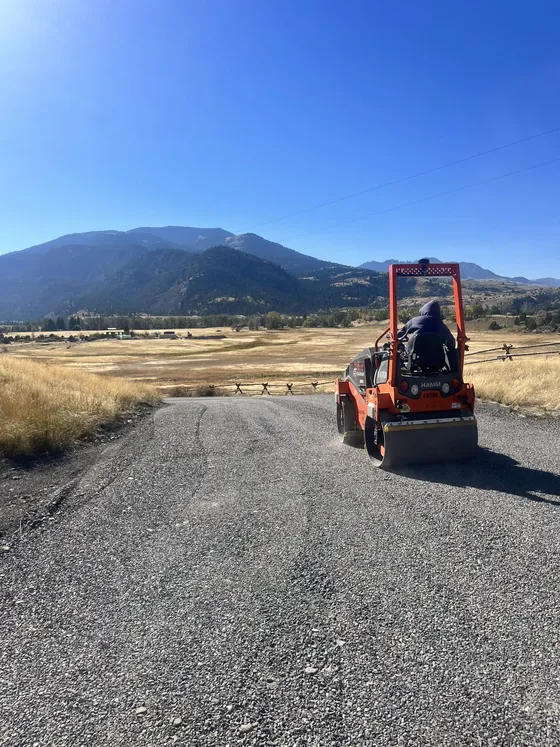
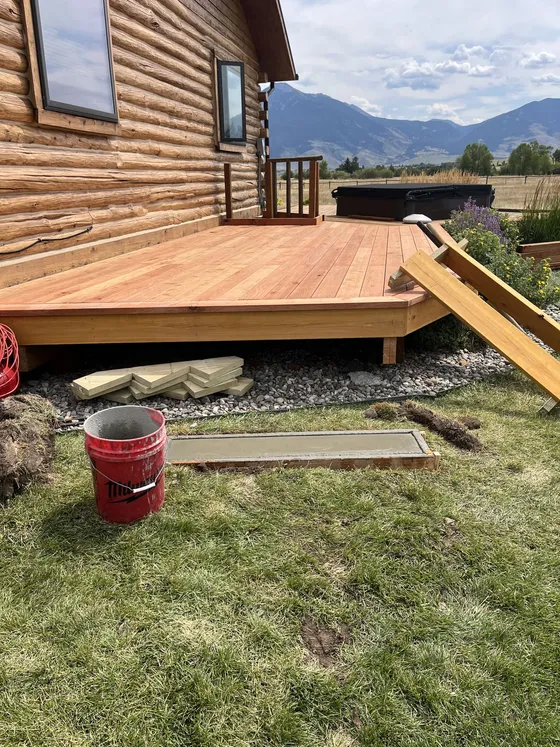
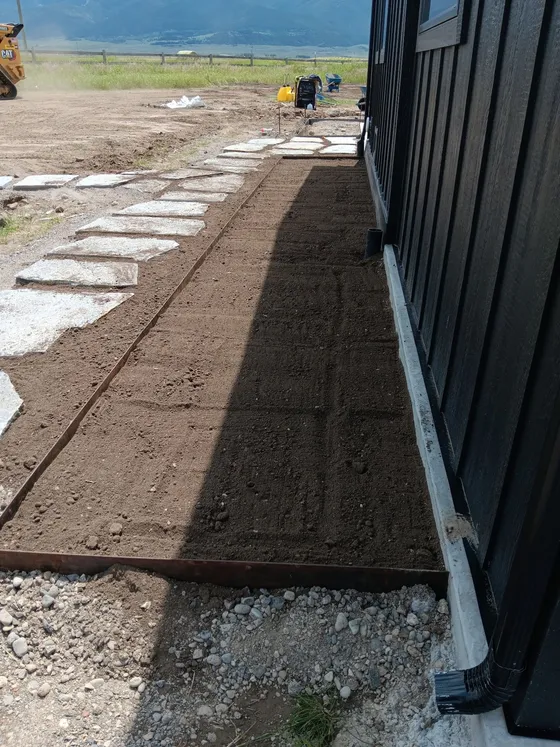
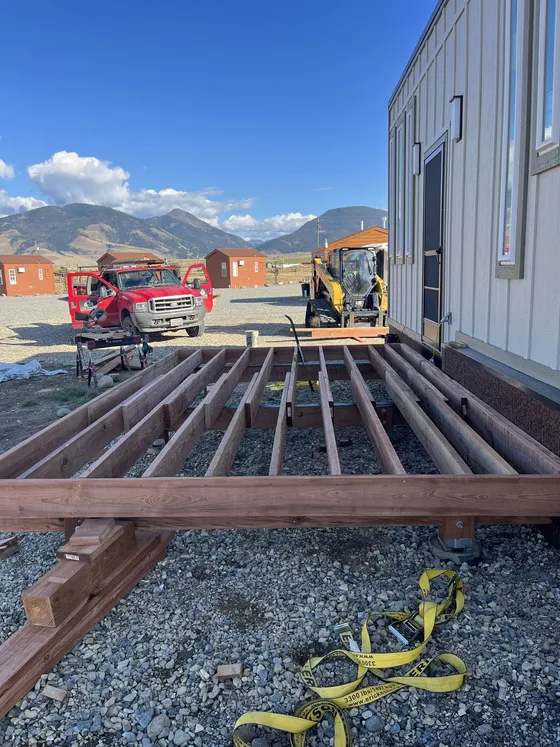
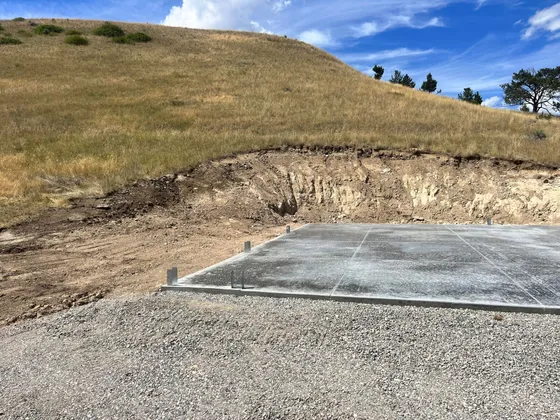
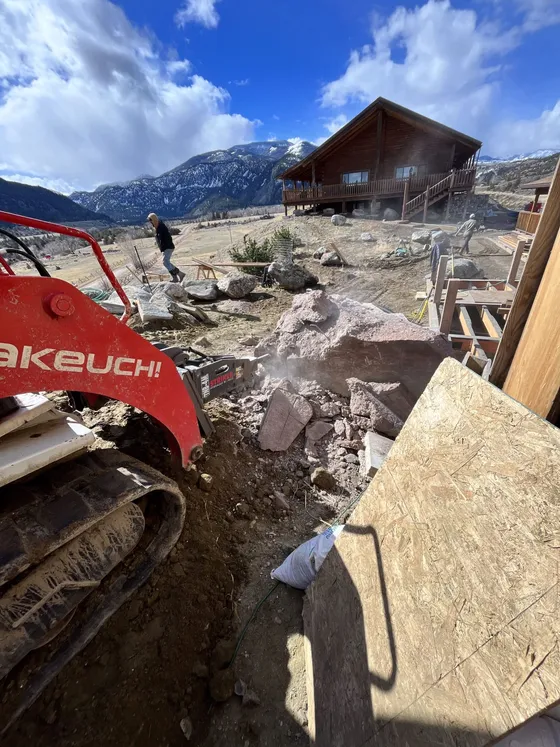
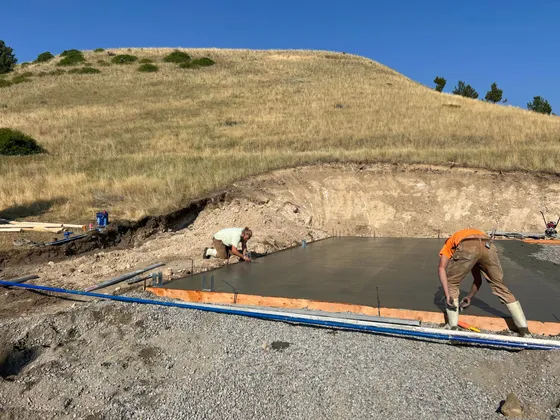
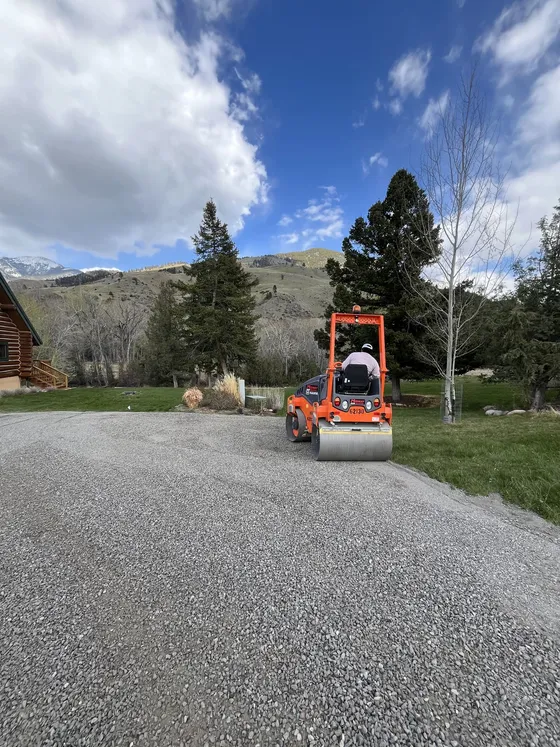
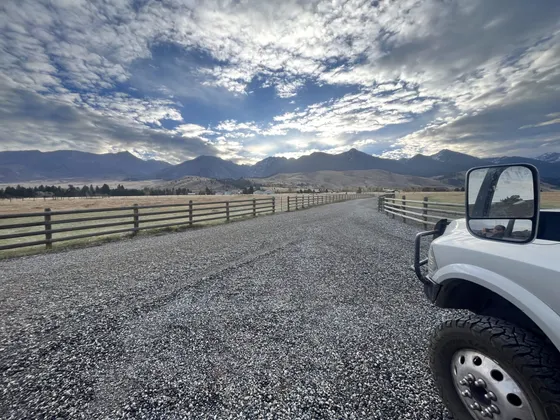
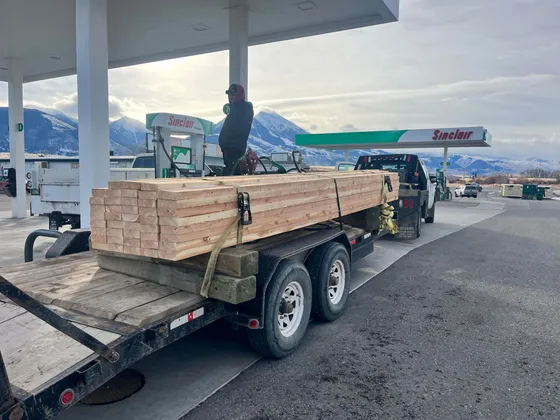
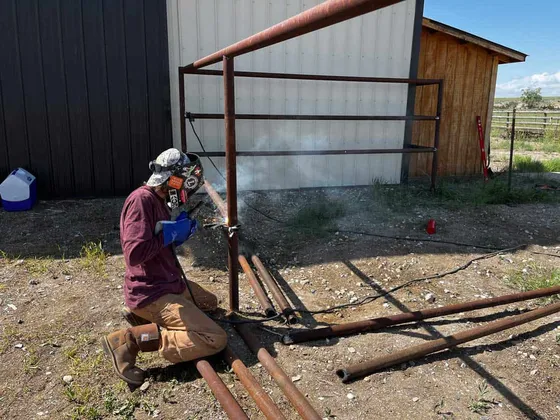
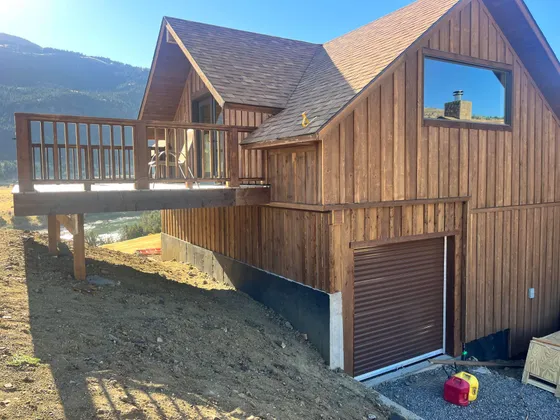
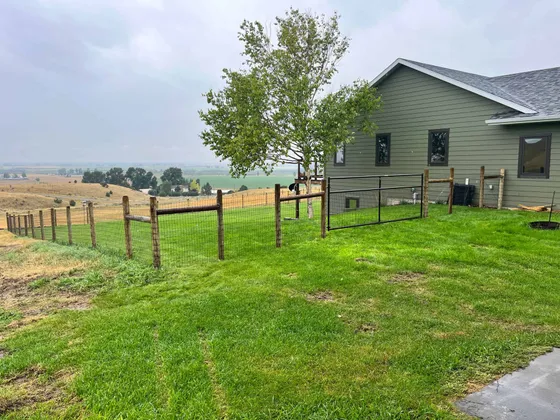
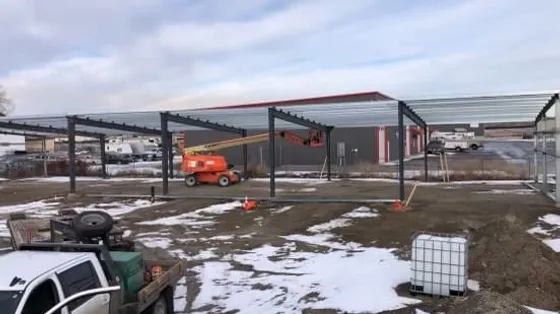
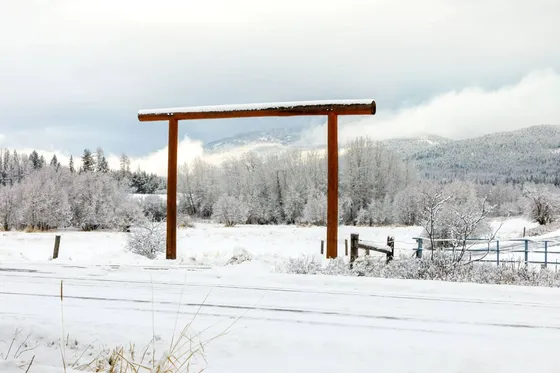
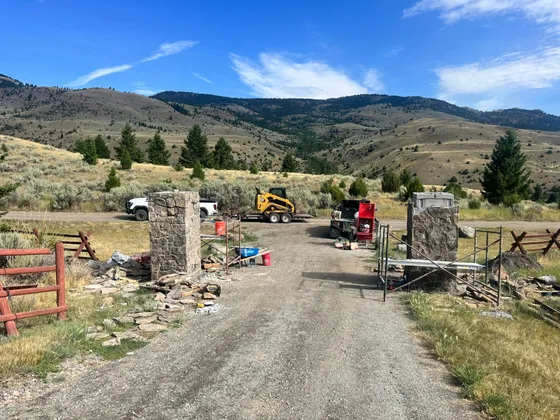
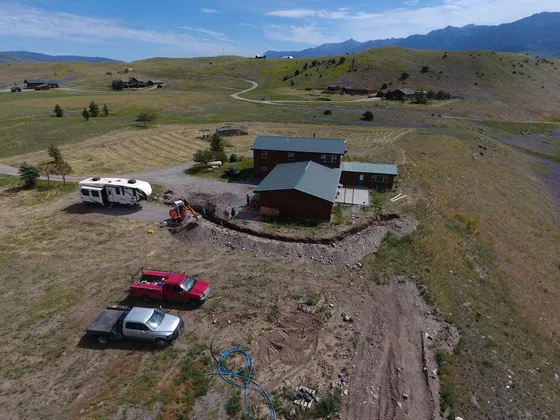
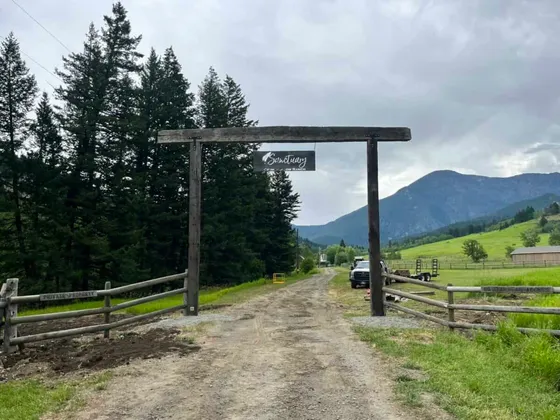
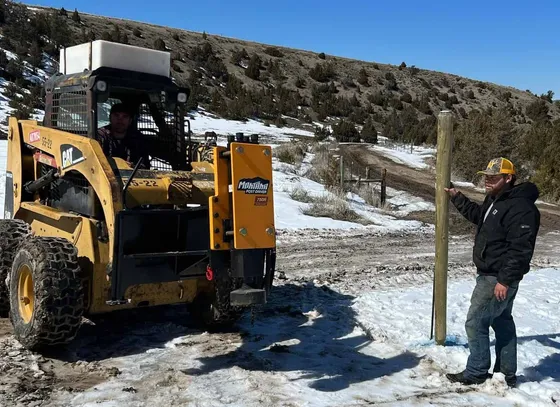
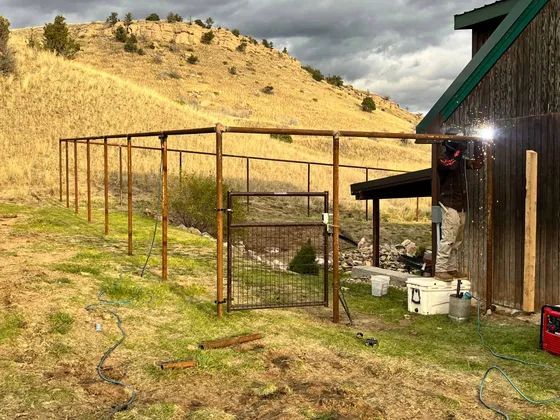
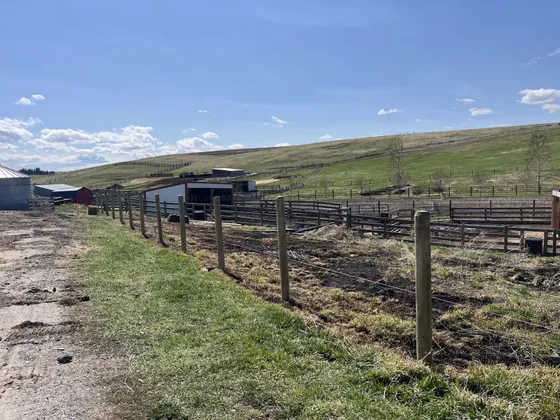
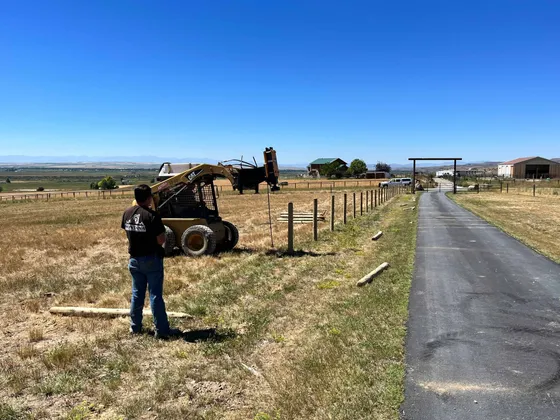
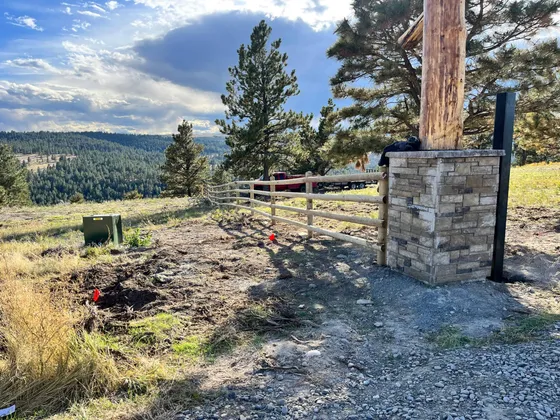
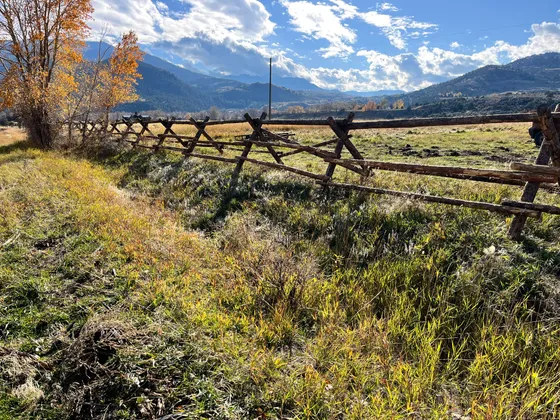
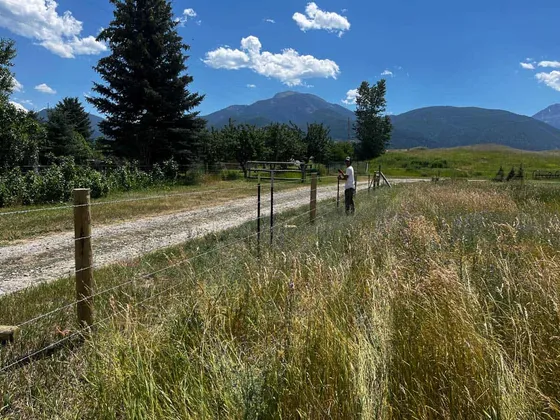
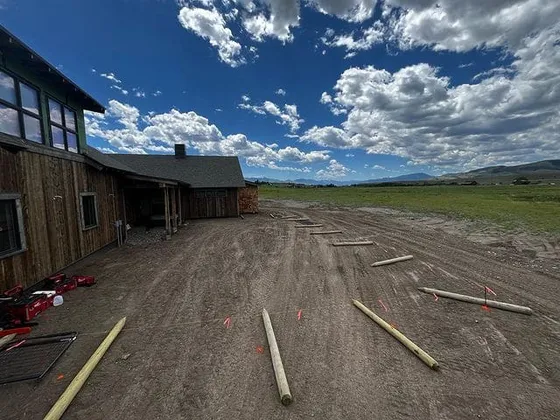
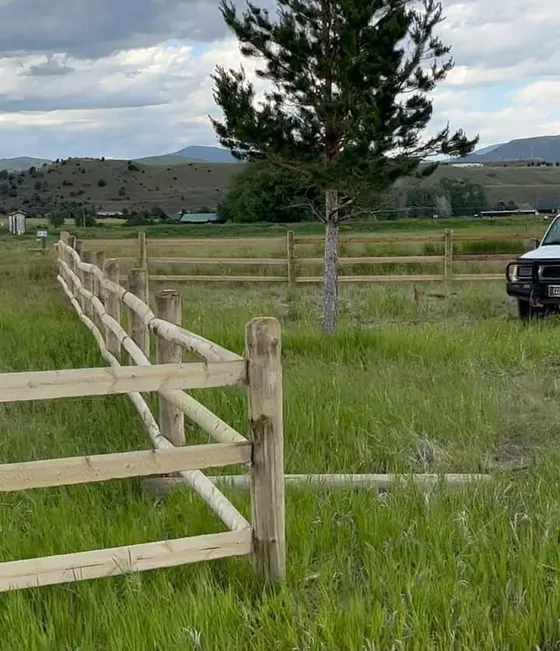
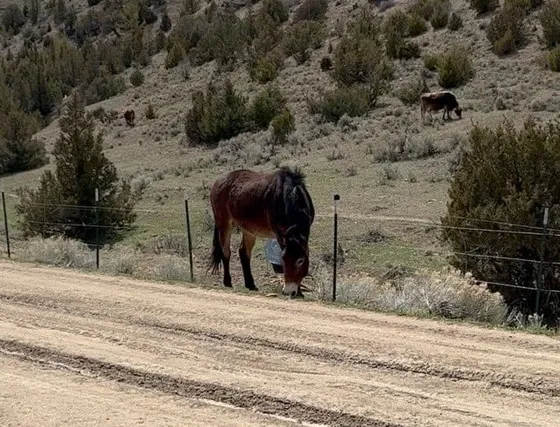
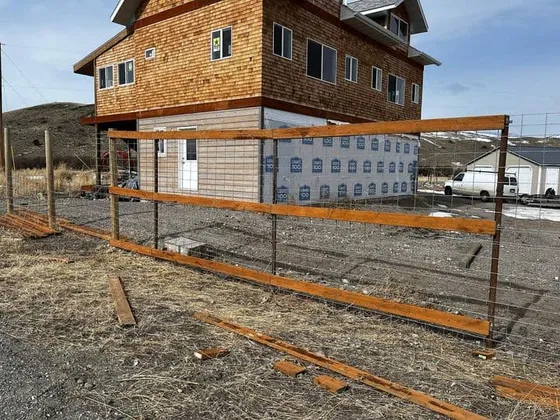
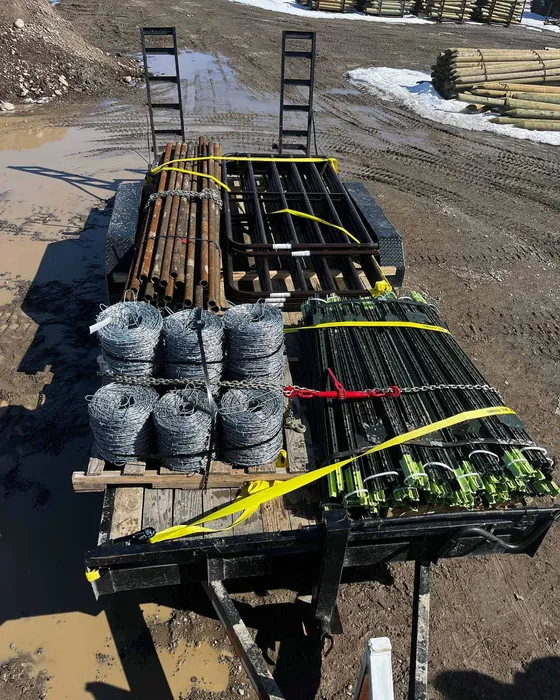
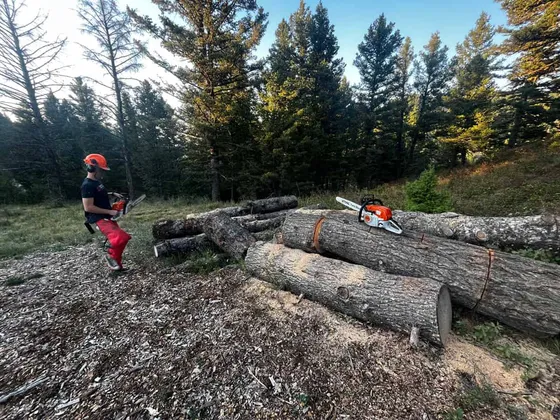
Fixing up an older Montana ranch? The order that pays off: clear hazards and clutter, fix access, restore fences, then buildings, repairs and the entrance.
Montana Ranch & Land
Improvement Service
Licensed & insured · MT Reg #281253
Free estimates across Southwest Montana
The Fencing Field Guide
Practical articles from the field — fencing choices, ranch entrances, land clearing, roads, and keeping a Montana property working through every season.
Fixing up an older Montana ranch? The order that pays off: clear hazards and clutter, fix access, restore fences, then buildings, repairs and the entrance.
Pipe, barbed wire, jackleg and field fence: what each does best on a Montana ranch, how they compare to rail, no-climb and panel, and how to pick.
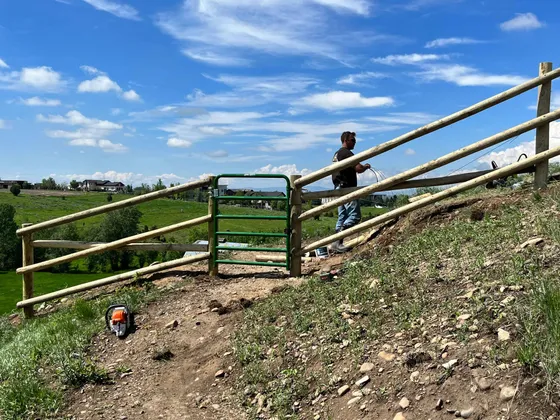
Swing or slide gate for a Montana driveway? How snow, drifting, slope, wind, frost heave, operators and upkeep decide it, from a Bozeman gate builder.
The sign over a ranch gate is usually called a ranch entrance arch, archway or overhead sign. Here are the common names, the parts and the materials.
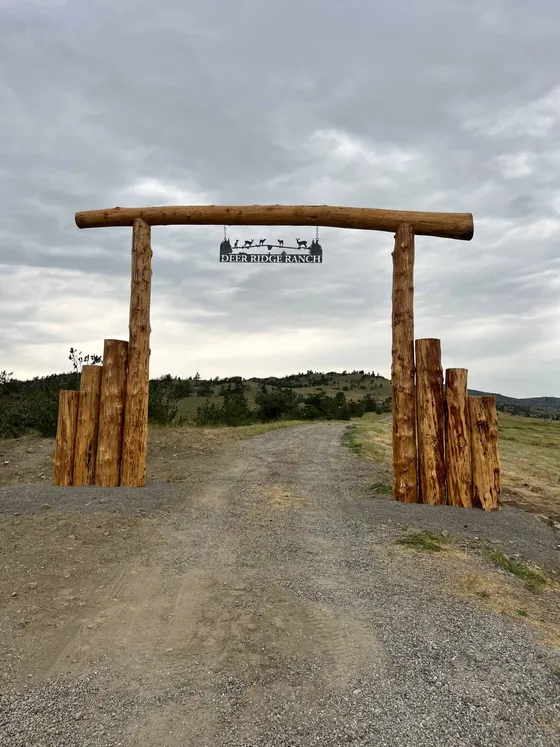
Ranch arches mark the entrance, carry the ranch name and brand, and guide visitors down long rural roads. Why they exist and what makes a good one.
Trapped moisture is what ruins stored hay. How airflow, shed orientation, ground prep, and stacking pattern keep a Montana hay stack sound through winter.
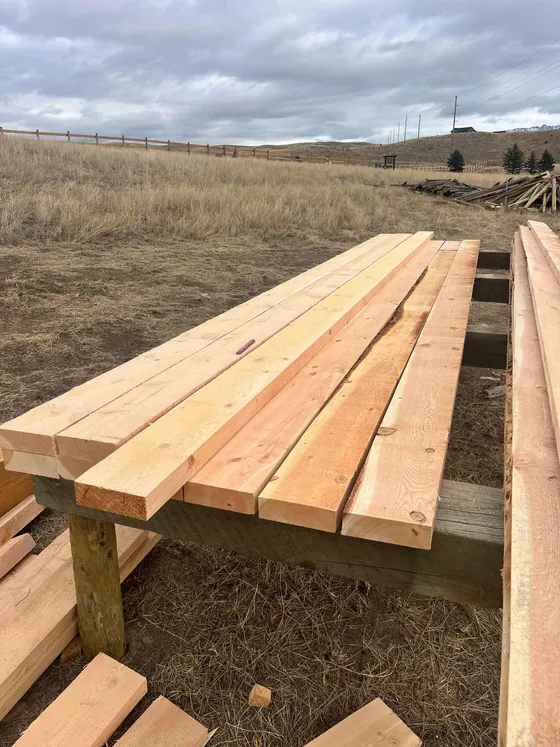
Rough-sawn and surfaced lumber aren't the same size or the same material. What each term means, where each belongs, and how drying and movement decide.
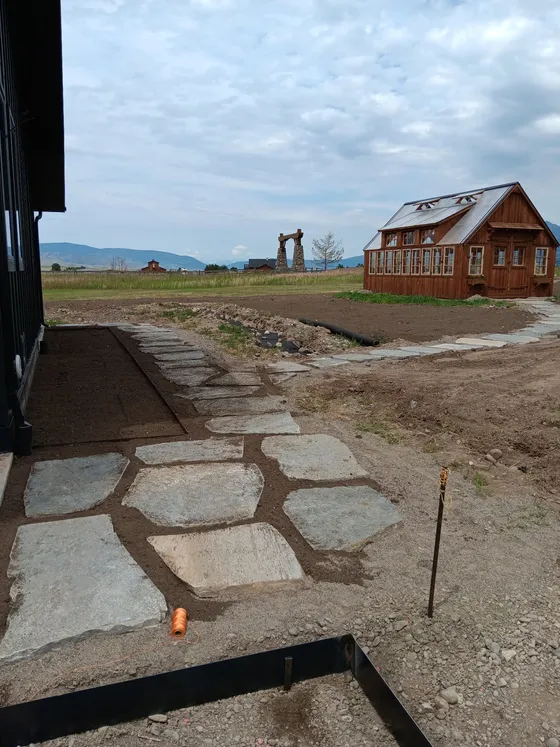
Pavers and flagstone both survive Montana freeze-thaw, but they're built differently and fail differently. Base, joints, traction, repairs, and how each ages.
Locating what's already buried, sharing one trench, separation and sleeving, rock and frost, and backfill that keeps the trench line from settling for years.
What the existing building has to carry, how snow sheds off the main roof, open vs. enclosed, drip line drainage, and equipment clearance.
How to size a ranch driveway gate for trucks, trailers, and hay equipment: turning radius, swing vs. slide in snow, road setback, and keypad placement.
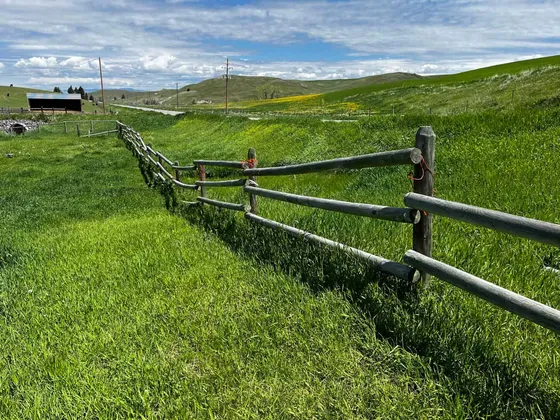
How to tell whether an old Montana fence line is worth repairing: judging posts, corners and bracing, what a hard winter reveals, and how to phase a rebuild.
Walking the line, pacing vs. wheel vs. mapping apps, and why corners, gates, and access tell a fence builder more than total footage ever will.
Big-box kits, cut-to-order timber packages, and full custom builds compared honestly: dimensions, snow, footings, and who should choose which.
Gas, power, water, wind, and winter shape a Montana outdoor kitchen more than the grill does. What to decide before the masonry goes up.
A retaining wall holds soil, but it fails because of water. How drainage, frost, base prep, and terracing decide whether a wall lasts in Montana.
Slab thickness, vapor barrier, in-floor heat, drains, and conduit all have to be decided before the pour. What to settle before a shop gets framed.
A field checklist for buying rural Southwest Montana land: access and roads, water, fences, structures, drainage, and the hidden improvement costs.
A regional field guide to improving Southwest Montana property — what the terrain demands, which projects pay off, seasonal timing, and where to start.
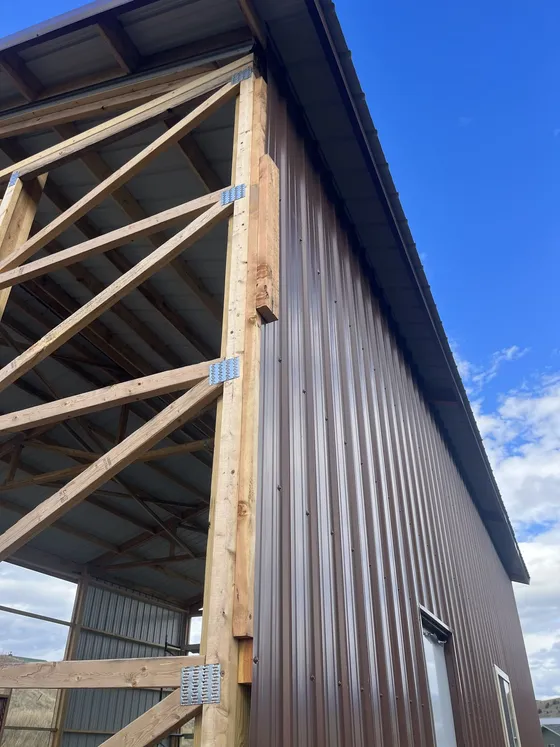
Door height, bay depth, ceiling clearance, and site placement cause more pole barn regret than square footage. What to work out before framing.
At elevation a deck carries snow for months. How snow load, roof shed, footings, and drainage change deck design on Montana mountain properties.
The real cost variables behind Montana fence, gate, road, and structure projects: footage, terrain, access, materials, removal, and season.
Wind, sun, bugs, and shoulder-season cold decide whether an outdoor space gets used or admired. How to design one for a short Montana summer.
Excavation, base depth, compaction, drainage, and edge restraint decide whether a paver patio stays flat through Montana freeze-thaw. Here's what's under it.
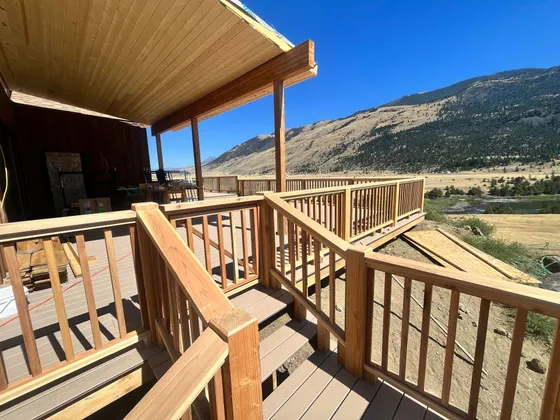
Decking materials, snow-load framing, hot-tub structural planning, and view-first design for Montana mountain properties — what to decide before building.
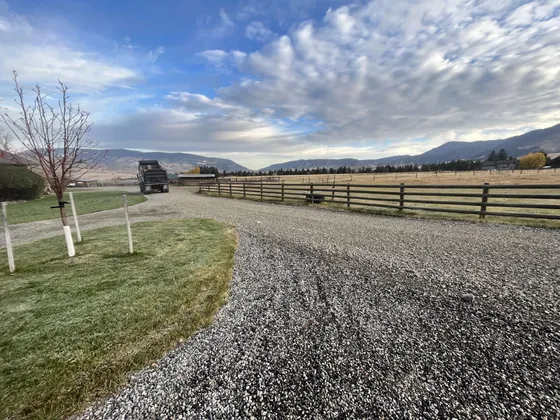
Why a ranch road is layers, not just gravel: what subgrade, base rock, and surface gravel each do, and how the right materials stop spring failures.
Grade, drainage, snow, and how you'll use the space decide whether a deck or a paver patio is right. A practical comparison for Montana properties.
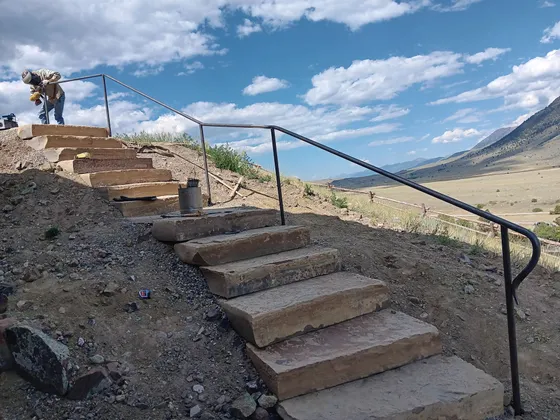
How natural flagstone staircases tame steep Montana ground — stone selection, base work, railings, drainage, and what a hillside stair project involves.
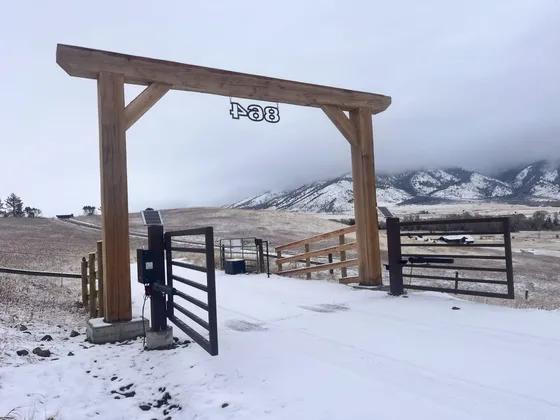
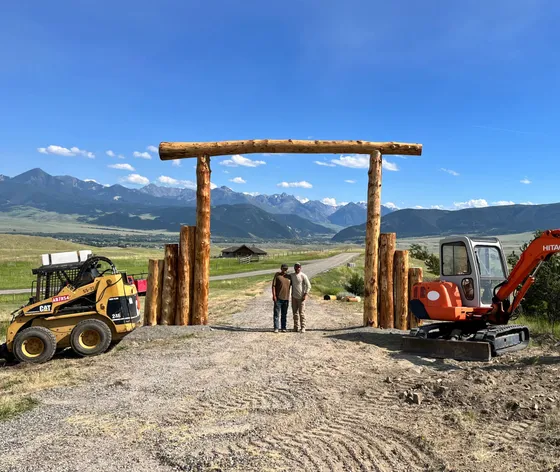
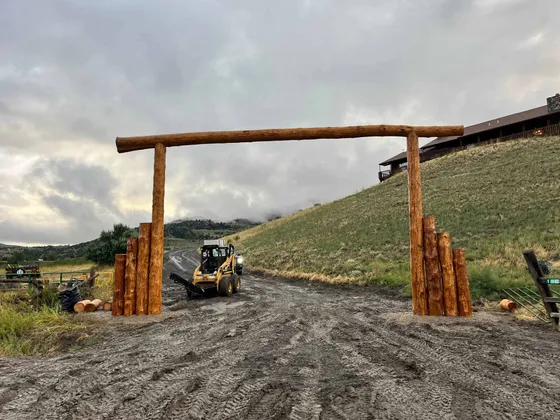
A complete guide to building a Montana ranch entrance: automatic gates, timber archways, stone columns, brand signs, and what makes them last.
How composite, cedar, and tropical hardwood decking actually behave in Montana sun, snow, and temperature swings, and how to choose between them.
Solar automatic gates suit remote Montana entrances far from power, but only when sized for winter sun. How to plan panel, battery, and gate for reliability.
Where concrete earns its cost on a Montana ranch — barn slabs, shop floors, approaches, equipment pads — and what frost, subgrade, and drainage demand of it.
How old barns, failing structures, and accumulated debris get cleared from Montana properties — salvage decisions, safety, sequencing, and what comes next.
Frost heave is why Montana footings go deep. How freeze-thaw lifts posts and columns, why frost-depth footings matter, and which projects live or die on it.
Grading and gravel, targeted rebuilds, or full reconstruction: a decision guide for failing Montana ranch roads and the signs each one is warranted.
Six early warning signs that water is beating your ranch road — rills, ponding, culvert trouble, edge failure — and which fixes actually hold in Montana.
How custom sawmilling turns Montana logs into fence rails, beams, and siding: what a mill can cut, when it beats the lumberyard, and how to plan the job.
What a ranch welding crew actually builds and fixes — custom gates, hand-forged railings, corral repairs, equipment fixes — and when fabrication beats buying.
Siting and designing livestock shelters for Montana winters — wind orientation, snow management, mud control, water access, and daily chore efficiency.
A planning guide for new Montana horse properties: safe fencing, run-in shelter, mud and footing control, water access, and how the pieces fit together.
Compare Montana's three workhorse ranch structures — enclosed pole barns, open hay sheds, and equipment shelters — by purpose, cost logic, and siting.
How to design a ranch sign that reads at road speed — CNC-cut steel vs. carved wood, mounting height, contrast, and integrating the sign into the entrance.
Where barbed wire still makes sense on Montana cattle ground, where it's the wrong choice, and better options for horses, wildlife corridors, and mixed use.
How stone columns, masonry bases, and timber beams combine into Montana's most permanent ranch entrances — design logic, structure, and material pairings.
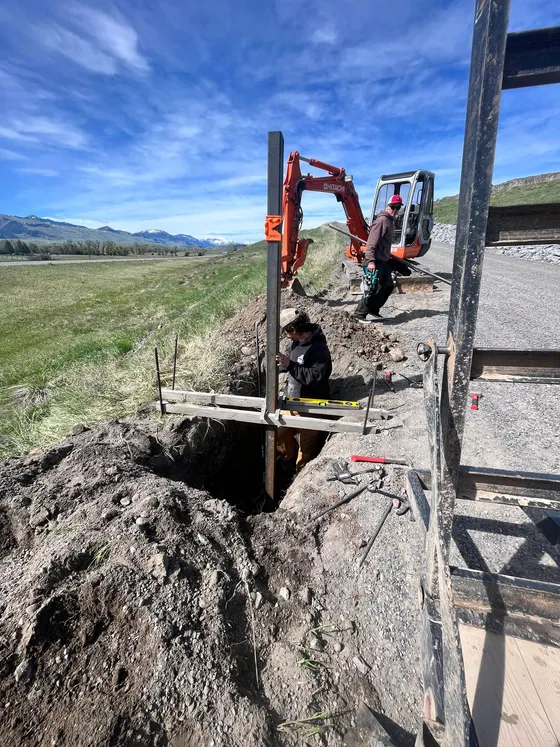
What to know before excavation on Montana ground: site evaluation, utility locates, rock and water surprises, access for equipment, and sequencing the work.
How to plan a private road that lasts on Montana ground — routing around terrain, drainage design, base construction, grades, and equipment access.
Why Montana gravel roads fall apart in March and April — frost boils, rutting, washouts — what to do during breakup, and how to build roads that survive it.
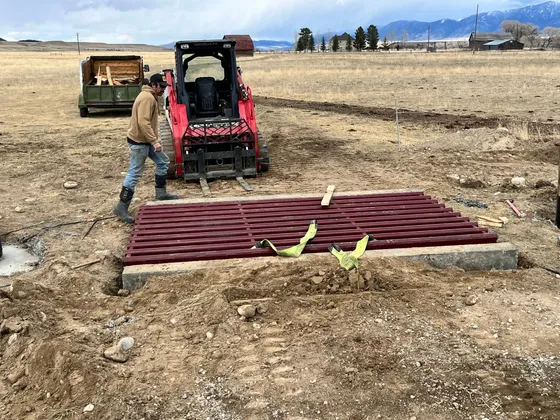
Where cattle guards belong, how placement and base construction decide whether they work, and what to plan before installing or removing one in Montana.
The three main Montana ranch entrance styles compared — timber archways, custom steel gates, and stone columns — by look, longevity, terrain, and upkeep.
A design-first guide to planning a Montana ranch entrance: siting, clearance, materials, gates, signage, and how the entrance ties into fencing and terrain.
Plan winter access before the first storm: where snow goes, drift lines, equipment areas, gates, and when to line up plowing for a Montana property.
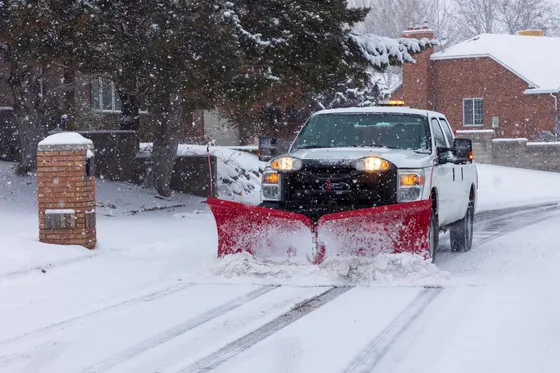
Locally based snow plowing in Emigrant, MT — fast response, ranch access, and reliable winter service from a crew that lives in Paradise Valley.
Snow plowing for Pray, MT homes, businesses, and seasonal properties — local crews, quick response, and winter-long peace of mind in Paradise Valley.
What makes an automatic gate survive Montana winters — opener types, solar vs. grid power, keypads in the cold, snow clearance, and installation details.
Winter doesn't stop every project. Which ranch improvements can be built through a Paradise Valley winter — jackleg fencing, gates, masonry prep, and more.
A fall checklist for Montana landowners replacing old fence: assessment, tear-out, access, material timing, and what can actually be built in winter.
Corners carry the whole tension of a fence, so they fail first. How H-braces and corner assemblies work, and what makes them last on Montana ground.
Round rail and ranch board are Montana's two premium wood fences. Compare their look, horse suitability, maintenance, and where each style earns its cost.
How to fence Montana ground that deer, elk, and antelope also use — heights, wire choices, crossing points, and when exclusion fencing is the right call.
Why 2x4 no-climb mesh is the horse-safety standard, what visibility and terrain mean for installation, and how to plan a no-climb fence in Montana.
The three ways a fence post goes into the ground, why driven posts win in most Montana soils, and how rock, frost, and moisture decide the method.
How woven-wire field fence handles cattle, horses, and mixed livestock on Montana acreage — post choices, wildlife pressure, and where it beats rail fencing.
Jackleg and split rail are Montana's two classic wood fences. Compare construction, terrain fit, containment, looks, and maintenance to pick the right one.
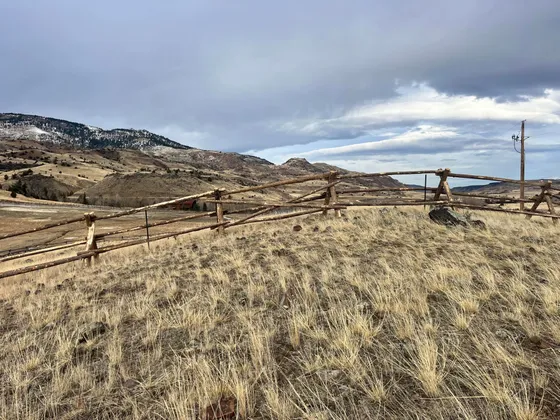
Why jackleg (buck-and-rail) fence is Montana's go-to for rocky ground, steep grades, and winter builds — and where a different fence is the smarter choice.
Before you build a ranch fence in Montana, answer these nine questions about livestock, terrain, wildlife, gates, and access. A practical planning guide.
What Paradise Valley property owners should know about barn and structure demolition — services, safety, permits, and site cleanup.
Split rail fencing in Bozeman: benefits, considerations, and why this classic western fence fits Gallatin Valley properties so well.
Choosing and building corrals and fencing for horses and livestock — materials, safety-first design, maintenance, and professional installation.
Planning a cedar privacy fence in Bozeman? Local regulations, choosing the right cedar, layout, and wind-smart construction — from a local fence crew.
Why livestock owners choose electric fencing — cost-effectiveness, versatility for rotational grazing, and predator deterrence explained.
Bought or inherited Montana land? Land clearing turns a rough parcel into a usable property — debris gone, hazards removed, and ground ready to build.
What land clearing involves, how it improves Montana ranches, and why professional crews make the difference — from stump removal to site prep.
Free Estimates & Measurements · Bozeman, MT
Free project estimates and measurements. Tell us what you’re planning — we’ll help with layout, materials, and honest recommendations.