Gallatin County
Fencing for Manhattan Farms and Acreage
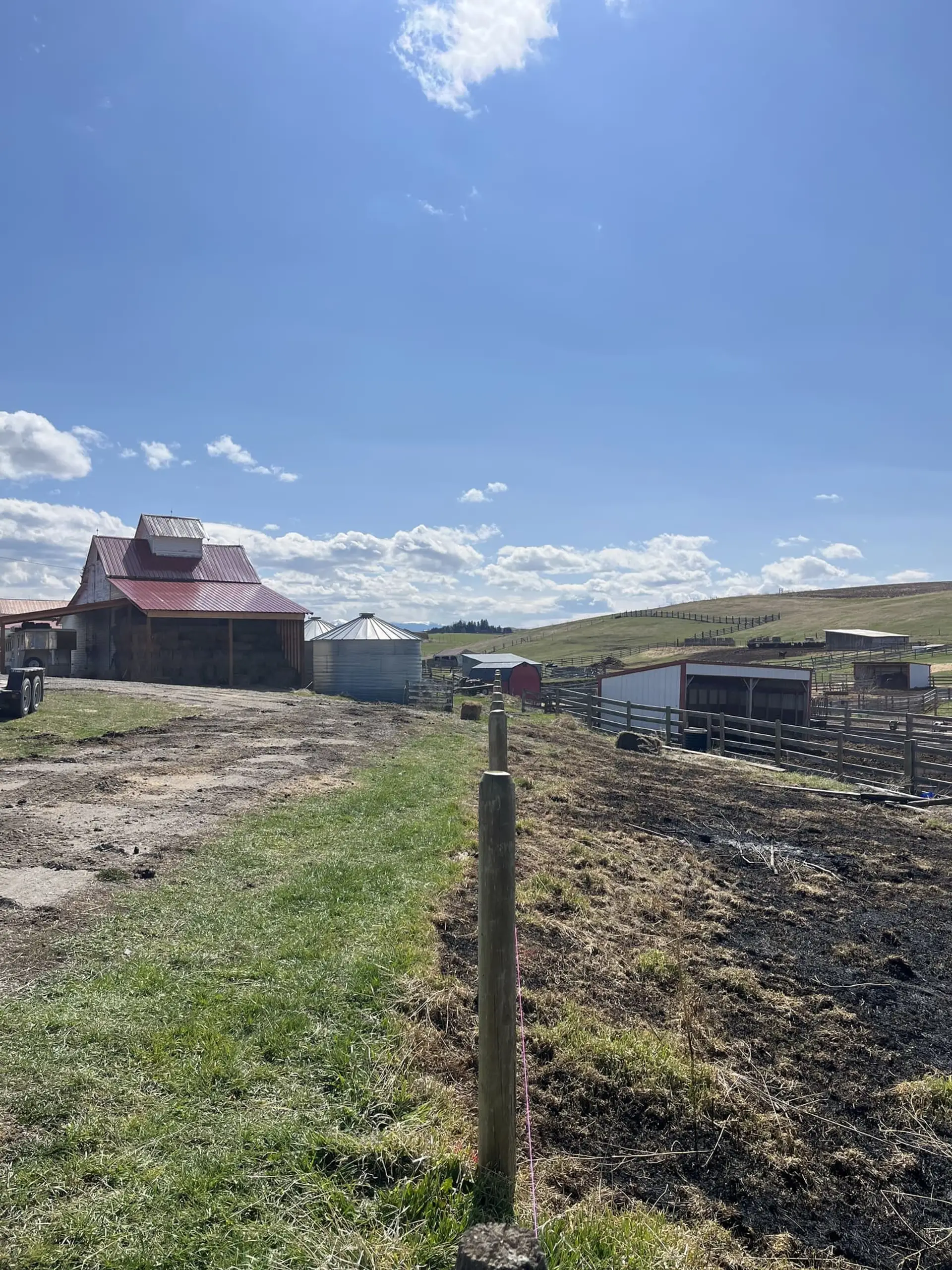
Manhattan is farm country, and its fence work follows the farm. Irrigated fields, livestock on the edge of town and new homes on former crop ground all sit here between Belgrade and Three Forks along the Gallatin River.
The ground is mostly flat and workable, so posts usually drive cleanly and lines run long and straight. The harder parts are the wet places: low ground toward the river, seepy edges along ditches, and field margins that stay wet through the irrigation season.
Out toward Amsterdam and Churchill the work is mostly working farm ground and livestock. Closer to town the requests turn to dog yards, horse paddocks and a good-looking fence along a new driveway. We build both, and plan each one around how the property is actually used.
Local Conditions
What Changes for Fencing in Manhattan
Fencing around the farm calendar
Fields here are planted, watered and cut on a schedule that does not move for a fence crew. We plan pasture and field-edge work for the windows when equipment and irrigation are not in the way, which often means early in the season or after the last cutting.
Wet ground along the river and ditches
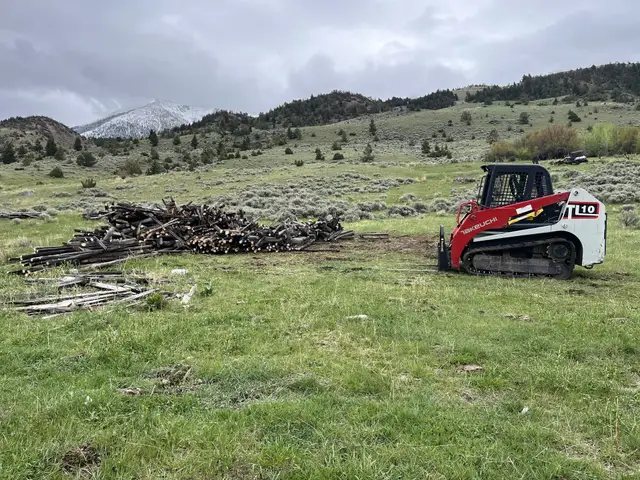
Low ground toward the Gallatin and the edges of irrigation ditches can stay saturated for long stretches. Wood in that ground gets treated or kept off the wet soil, and a line that has to cross a wet swale may be better built as jackleg on that section.
Livestock on the other side of the fence
A new acreage home around Manhattan often borders an active pasture. Fence on that side has to hold up to the neighbor's cattle leaning on it, which changes the wire, the bracing and sometimes the whole fence type.
Open wind along the I-90 corridor
The valley floor around Manhattan is open, and wind moves across it freely. Wire and rail fences handle it without trouble; anything solid, like a privacy screen around a yard, needs posts and spacing chosen for that exposure.
Options That Fit
Fencing We Build Around Manhattan
Field Fencing
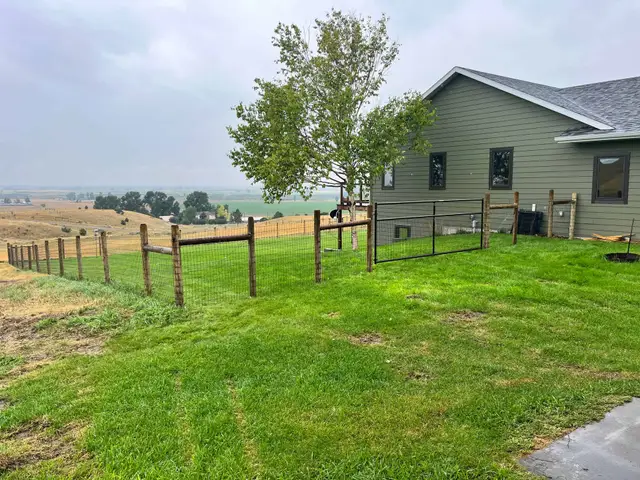
Woven wire for cattle, sheep and goats on farm ground, and for boundaries that border a neighbor's pasture.
No-Climb Fence
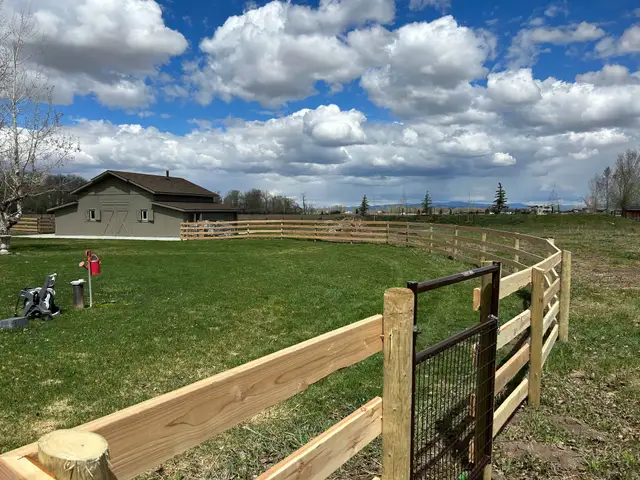
Dog yards and horse paddocks on acreage near town, with mesh too tight for a hoof or paw.
Ranch Board Fence
Classic farm frontage along a driveway or road, and safe paddock fence for horses.
Treated Jackleg
Short sections across wet swales and ditch edges where set posts would sit in water.
Continuous Panel Fence
Calving pens, sorting areas and small corrals on working farms.
Cedar Privacy Fence
Backyard privacy for homes in and around town, posted for open wind.
See every option on the All fence types page.
Manhattan Fencing Questions
Do you build fence in Manhattan, Amsterdam and Churchill?
Yes. Manhattan sits between Belgrade and Three Forks, both part of our regular range, and the farm country south toward Amsterdam and Churchill is a short drive from there. We can usually group a site visit with other west-valley work.
What fence should go between my yard and a neighbor's cattle pasture?
Something built for pressure from the other side. Woven wire on solid posts with good corner bracing is the usual answer, and a strand along the top keeps cattle from reaching over it. If you want a nicer look on your side, a rail or board fence can run alongside it.
Can you fence wet ground near the Gallatin River?
Usually. We look at how long the ground stays wet and whether it floods, then choose treated wood, jackleg, or a route that skips the worst of it. Building in the driest part of the year helps too.
When should I schedule fencing on irrigated ground?
Before the water goes on or after it comes off is usually easiest, since the ground is firmer and the crew is not working around wet fields and equipment. Jackleg sections can go up in colder months when the ground is frozen. Calling early in the year is the best way to land the window that suits your fields.
Keep Exploring
More Around Manhattan
Fencing in Other Towns
Free Estimates & Measurements · Bozeman, MT
Let's walk your Manhattan property
Site visits and estimates are free. We'll tell you what the ground and the job actually call for, including when that is less than you expected.