Gallatin County
Pasture and Corral Fencing Around Three Forks
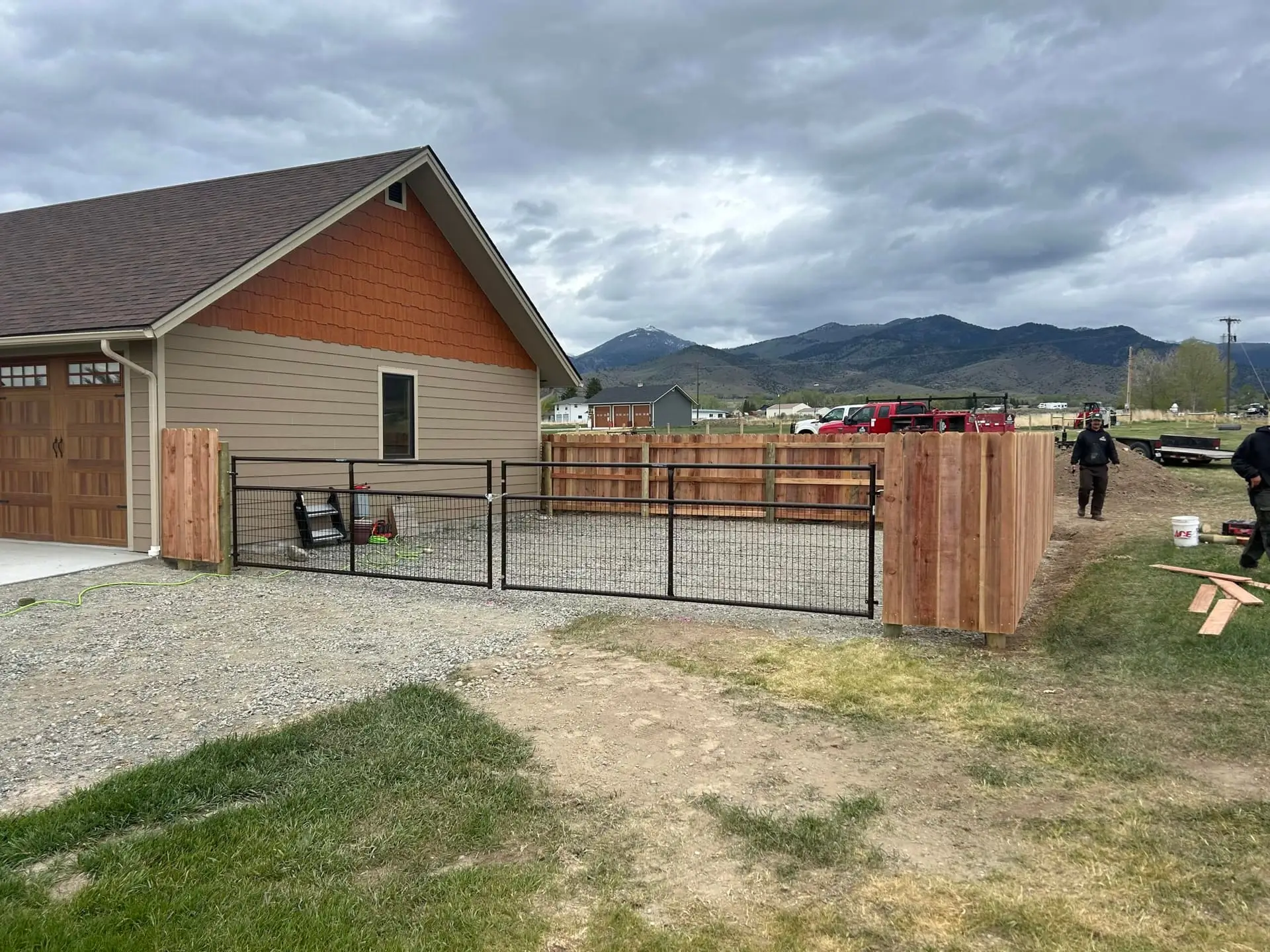
Around Three Forks, fence is working equipment. Hay ground, irrigated pasture and cattle country near the headwaters need lines that hold stock, let machinery through and survive open wind, more than lines that look good from the road.
Irrigation shapes a lot of fence decisions here. Ditches, headgates and haying equipment all need room, so where the gates land and how a line runs along a ditch bank matter as much as the wire itself.
Corrals are the other half of the work. Sorting pens, alleys and loading areas take more pressure than any pasture line, and welded steel panel or pipe is usually the right call for them.
Local Conditions
What Changes for Fencing in Three Forks
Gravel benches and soft bottoms
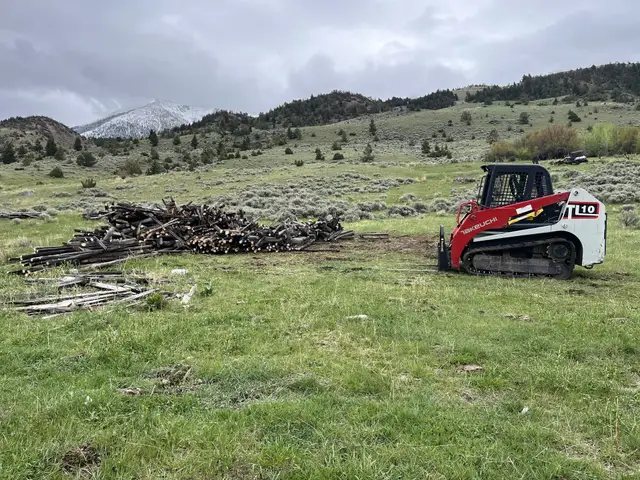
Dry bench ground can be gravelly enough to fight a driven post, and the bottoms near the Jefferson, Madison and Gallatin can stay soft into early summer. Treated jackleg handles both, so we save driven-post wire for the stretches where posts will hold.
Long open runs with no windbreak
Wind crosses this end of the valley with little in the way. Wire fence shrugs it off, but long straight runs need solid corners and bracing to stay tight, and snow drifts against any fence that slows the wind down.
Corrals take the real pressure
Cattle in a crowding alley or sorting pen push harder than they ever do on a pasture fence. Welded steel panel and pipe take that load without loosening, which is why we steer working pens toward steel rather than wood or wire.
Options That Fit
Fencing We Build Around Three Forks
Field Fencing
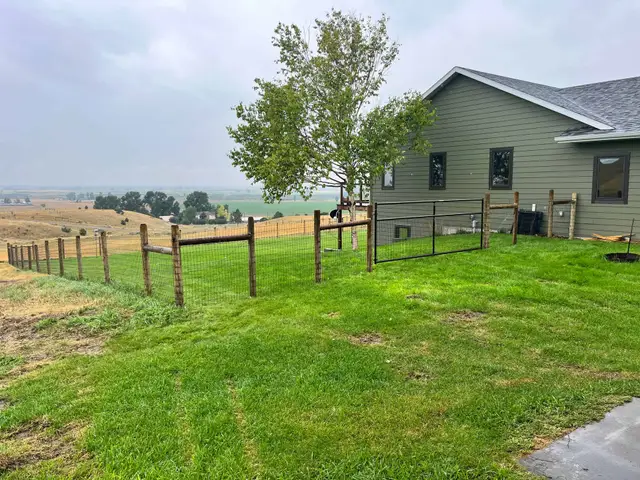
Woven wire for cattle and mixed stock across large hay and pasture blocks.
Treated Jackleg
Wet river bottoms and gravel benches where driven posts struggle; treated wood suits irrigated pasture.
Continuous Panel Fence
Sorting pens, alleys and round pens that see daily cattle or horse pressure.
Oil Field Pipe Fence
Heavy corrals and bull pens welded on site to follow the ground.
Split Rail Fence
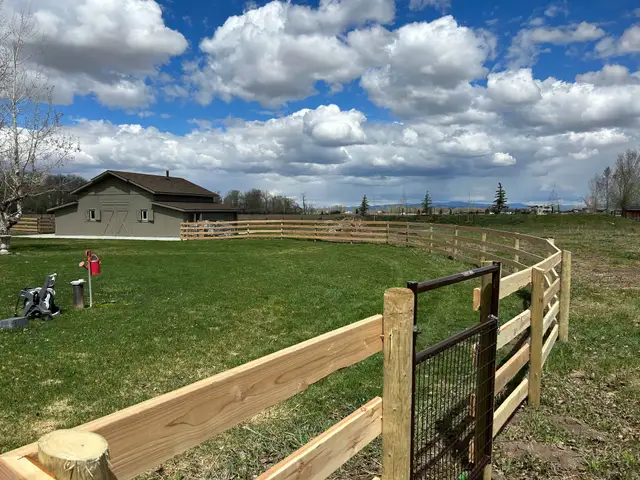
Frontage and yard fence for small acreage homes outside town.
See every option on the All fence types page.
Three Forks Fencing Questions
What fence is best for cattle pasture around Three Forks?
For most pasture, woven wire on well-set posts with braced corners. It holds cattle and mixed stock and handles open wind without trouble. Where the line crosses wet bottom ground or gravel that fights a post, we switch to treated jackleg for that stretch.
Can you build a corral and the fence leading to it at the same time?
Yes, and it works better that way. The corral, alleys, gates and the pasture lines feeding them function as one system, so designing them together means stock flows where you want it. We fabricate steel panels and gates in our shop and weld pipe on site.
Can fence go in along an irrigation ditch?
Usually, with some planning. We keep the line back far enough that the ditch can still be cleaned and the bank does not undercut the posts, and put gates where you need to reach headgates. On wet ditch-side ground, treated wood or jackleg often outlasts a standard set post.
How wide should gates be on hay ground?
Wide enough for the largest machine that will use them, with room to come through at an angle. We look at the equipment you actually run and place gates where a turn makes sense, not just where the line happens to have a corner. A gate that is too narrow gets hit, and a hit gate turns into a repair.
Keep Exploring
More Around Three Forks
Fencing in Other Towns
Free Estimates & Measurements · Bozeman, MT
Let's walk your Three Forks property
Site visits and estimates are free. We'll tell you what the ground and the job actually call for, including when that is less than you expected.